Critical Care
Critical Care is a specialized area of medicine focused on the treatment and close monitoring of patients with serious, life-threatening, or complex medical conditions. It provides comprehensive medical support to patients who require continuous observation and advanced treatment, often in an intensive care unit (ICU). Critical care teams manage conditions such as severe infections, respiratory failure, cardiac emergencies, multiple organ dysfunction, major trauma, and complications following surgery.
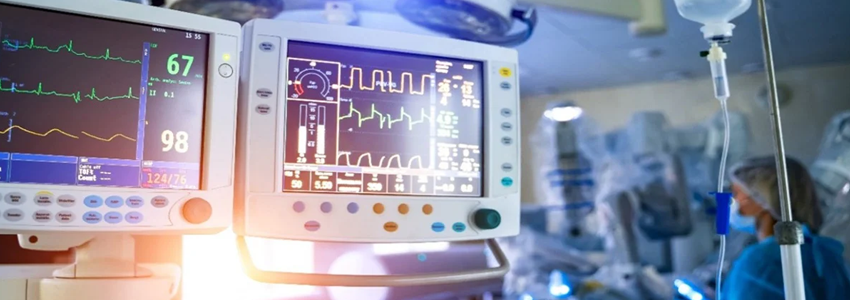
Critical care involves the use of advanced monitoring systems, life-support technologies, medications, and other specialized interventions to stabilize patients and support the functioning of vital organs. A multidisciplinary team of doctors, nurses, respiratory therapists, and other healthcare professionals works together to provide timely and coordinated care.
The primary goals of critical care are to stabilize the patient's condition, identify and treat the underlying cause of illness, prevent complications, and support recovery. Continuous monitoring allows healthcare professionals to quickly detect changes in a patient's condition and make appropriate treatment decisions.
With specialized expertise, advanced technology, and compassionate care, critical care plays an essential role in managing medical emergencies and supporting patients through the most challenging stages of serious illness.